Skip to content
How to Configure Zigbee and ZHA with Home Assistant

How to Configure Zigbee and ZHA with Home Assistant

Configuring Zigbee and ZHA (Zigbee Home Automation) with Home Assistant can enhance your smart home setup by adding support for a wide range of Zigbee devices, such as smart lights, sensors, and switches.

In this guide we will take you through the process of configuring Zigbee and ZHA (Zigbee Home Automation) in Home Assistant.

Prerequisites:

  1. Home Assistant - Ensure that you have Home Assistant installed and running on an appropriate device. Check out our hassle-free range of pre-installed Home Assistant servers.
  2. Zigbee Coordinator - You'll need a Zigbee coordinator to communicate with Zigbee devices. Popular choices include Zigbee USB dongles like the Home Assistant SkyConnect or SONOFF Universal Zigbee 3 USB Dongle.

Configure Zigbee and ZHA:

Ensure that your Zigbee Coordinator is plugged into Home Assistant.

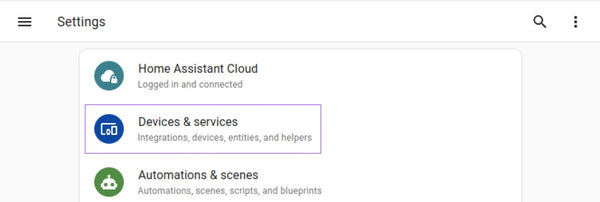
Open your Home Assistant dashboard and navigate to Settings and Devices & services.

Devices and Services under Settings in Home Assistant


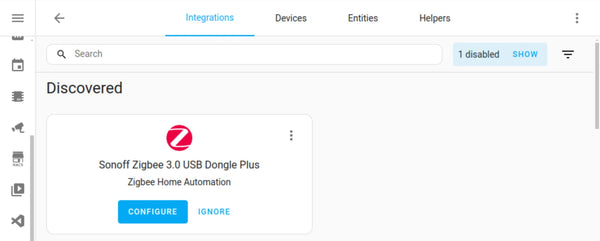
Home Assistant should automatically detect the Sonoff Zigbee Dongle and list the dongle under the discovery section:

Sonoff Zigbee Dongle detected by Home Assistant

Click on Configure. If for whatever reason, Home Assistant has not detected the dongle use the  + Add Integration button in the bottom right of the screen to add a new integration and select Zigbee Home Automation.

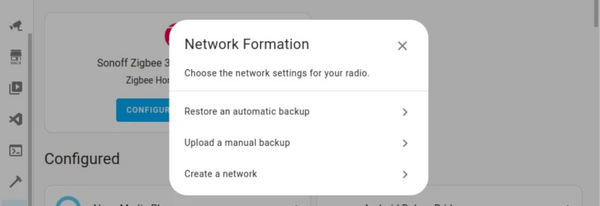
During the setup process you will be asked about Network Formation and what network settings you want for your radio. Select Create a network.

Network Formation settings for ZHA Zigbee Home Automation


Once the setup is complete you will be presented with a success message!

ZHA Zigbee Home Automation configured successfully in Home Assistant


Zigbee Home Automation (ZHA) is now configured for Home Assistant and you'll be able to add new Zigbee devices via the Devices & services settings screen.

If you found this post helpful you may also be interested in:

Previous article How to Configure a Zigbee Door and Window Sensor in Home Assistant with ZHA
Next article What hardware do I need to run Home Assistant?

Leave a comment

Comments must be approved before appearing

* Required fields

See More

  • Choosing the right Home Assistant Server: HAS-B1, HAS-B2, or HAS-H3

    Choosing the right Home Assistant Server: HAS-B1, HAS-B2, or HAS-H3

    We stock a large range of Home Assistant servers that come pre-installed with Home Assistant OS. Each machine is hand-picked to provide reliable, local smart home control with silent, fanless operation. Below, we compare the specifications of each model so you can decide which one is the right choice to run your Home Assistant server on.

    Read now
  • Matter vs Reality: What Home Assistant Users Should Know

    Matter vs Reality: What Home Assistant Users Should Know

    You’ve probably heard of Matter — the new smart home standard backed by Apple, Google, Amazon, and others. It promises to fix compatibility headaches by letting all your devices talk to each other, regardless of brand or ecosystem.

    Sounds great. But if you’re already deep into smart home setups — especially with Home Assistant and Zigbee — you might be wondering: is Matter even relevant to me?

    Read now
  • Are Smart Home Products Effective at Saving Energy Over Winter?

    Are Smart Home Products Effective at Saving Energy Over Winter?

    Winter is when energy bills hit hardest — and it’s also when smart home technology proves its real value. While no single device is a magic fix, the latest research shows that well-designed smart heating systems consistently help households cut waste, improve comfort, and make heating far more efficient during the coldest months.

    Read now

Compare products

{"one"=>"Select 2 or 3 items to compare", "other"=>"{{ count }} of 3 items selected"}

Select first item to compare

Select second item to compare

Select third item to compare

Compare